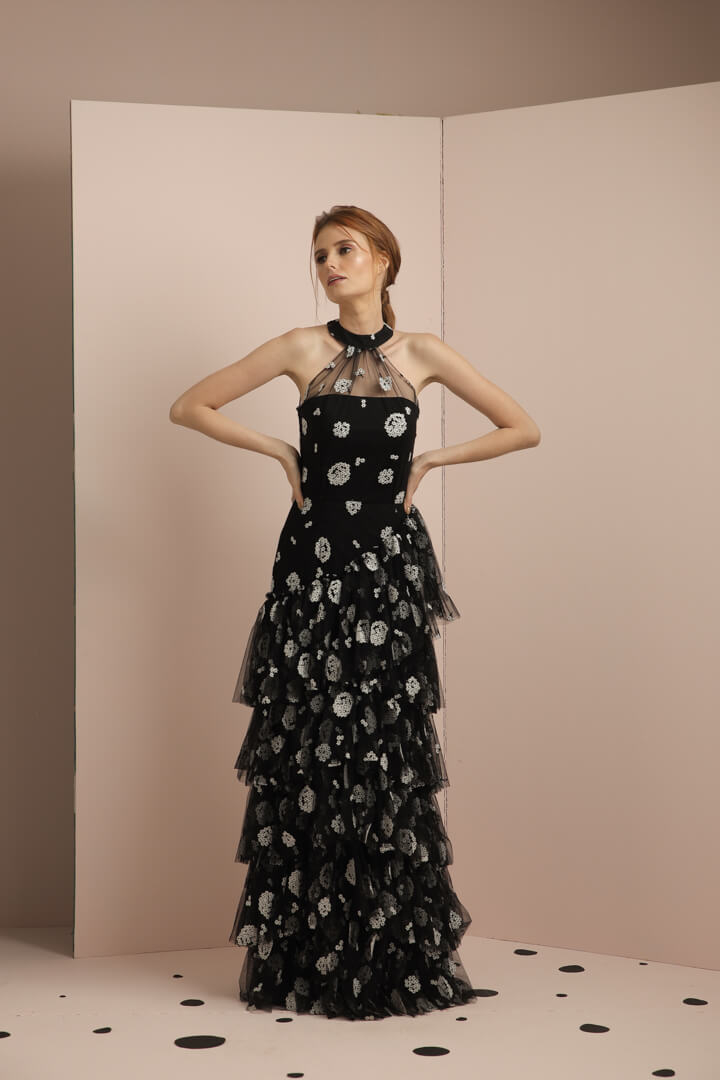

My Personal Encounter with Fashion Designer Pitoy Moreno and His Nationalism

Back in 2006 when I was still doing my first bachelor’s degree in communication, our journalism professor grouped us students and tasked each to write feature articles that would require us to interview personalities in the Philippines. Our group was assigned the topic of “Filipino Fashion Icons.”
If the assignment was given during the “Influencer Era” beginning 2015, fashionable social media personalities and celebrities would have been acceptable for the theme of “Filipino Fashion Icons.” But during that time in 2006, our initial proposal of interviewing my groupmate’s connections of celebrities were denied by our journalism professor. Mid-way during the planning, that groupmate had to quit the college to enter the showbiz scene as well, leaving me the responsibility of leading the group to finish the writing project for our journalism course.
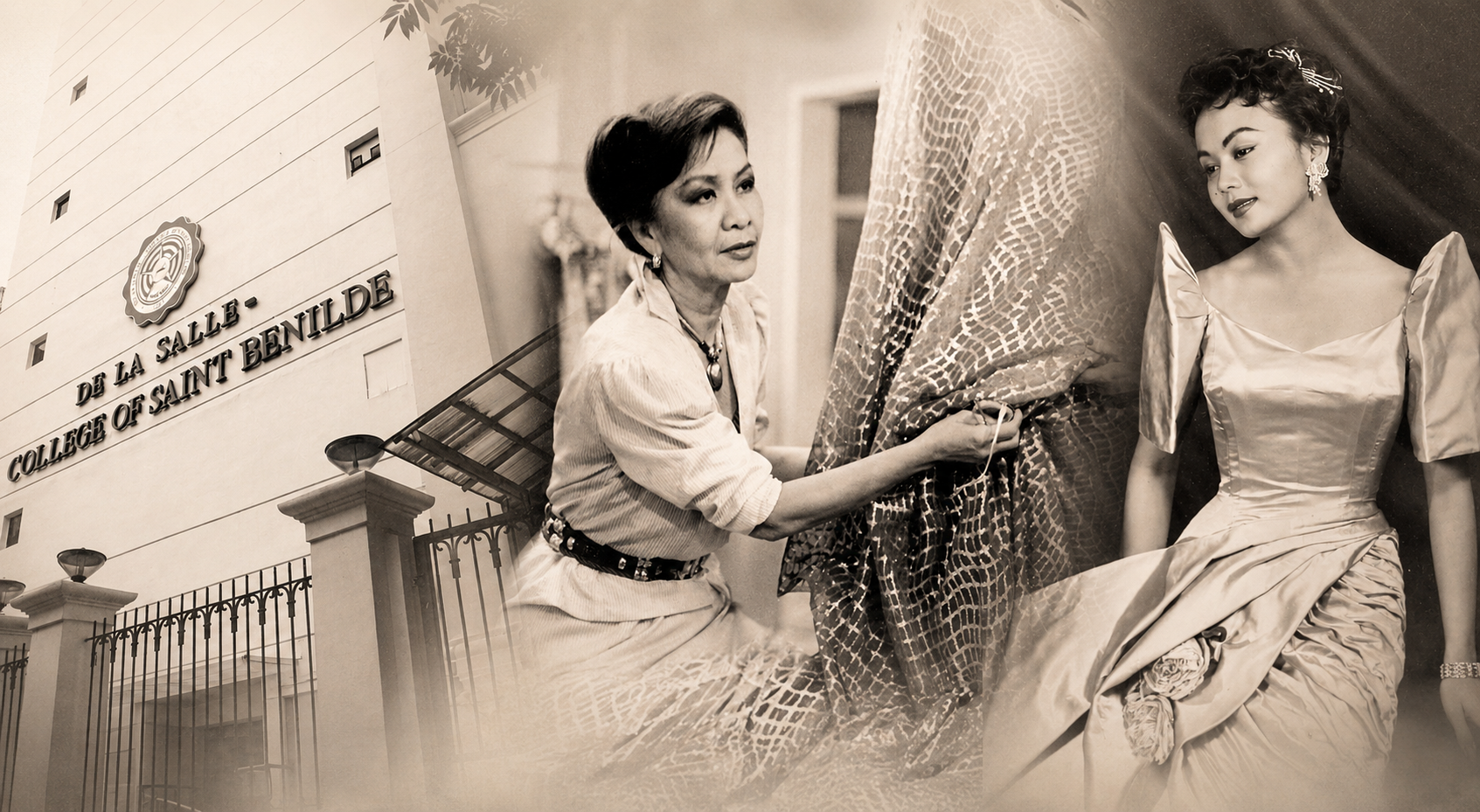
Pitoy Moreno, the Filipino Fashion Icon
After brainstorming with my mother for ideas on who to interview, I decided to write to her primary recommendation — Jose “Pitoy” Reyes Moreno Jr., the Fashion Czar of Asia — for an opportunity to interview him, and I got lucky to have that opportunity.
I was young then and I was not yet aware of or I could not completely comprehend the magnitude of Pitoy’s contributions to the Philippine fashion scene. I was not an interviewer from a publication. I was just a teenager who needed to fulfill a homework. Yet he was kind enough to accept my request. He was 81 years old then and probably had some free time as well since he was already retired.
Unfortunately, I had already lost all of the essays, articles, and papers I had written during those years when it was harder to back up documents. Email providers have also deleted my old files for space. My memory has also failed me, as I could not recall my conversations with the old man.
Emotional Story of Pitoy Moreno
However, I could not forget the most emotional part of the interview. I asked him — “What is one of your most memorable experiences in your fashion career?” I thought that he would share about a positive experience. Instead, he shared about an emotional encounter when he was supposed to meet an individual for work, a head of a company in the Philippines. He met this person, and to his surprise, the head was not a Filipino but a Japanese. This encounter made him uncontrollably emotional. It was memorable for him because of how he had felt and responded.
When he told me this story, I did not probe any further because I felt his pain when looking at his eyes.
Pitoy During the Japanese War
Years later after the death of Pitoy, an article wrote about his near-death experience during the Japanese occupation, as told by his older sister Virginia Moreno. She said that the Japanese strafed the neighborhood with guns. Pitoy almost died. Gunshots missed him by only a few inches and it was their neighbor who was hit and died (Bolido, 2018).
On December 8, 1941, when Pitoy was 16, the Japanese first attacked Manila. When he 20 years old, in 1945, what happened was the most devastating battle that destroyed Manila. More than 100,000 (or 1 for every 10 Manileños Filipinos) from a population of 1 million died in Manila and the war destroyed 80% of the city (Glenn, 2023).
Pitoy Moreno’s Nationalism
Researching and reading more about the post-war experiences of Pitoy would help us understand his devotion to using his craft to express his nationalism and love for the Philippines. During the Japanese occupation and after the war, as a Manileño Pitoy saw firsthand the resilience and talent of Filipinos.
The article of Jamie Ostmann (2025, Oct 3) narrated that after the war, the Philippine society began to embrace the American and European culture and this was most evident in fashion. Pitoy viewed this as “colonial mentality.” Fashion designing to show the Filipino heritage became his act of resistance to this colonial mentality. He believed that Filipino creativity and skills could equal and even surpass the West.
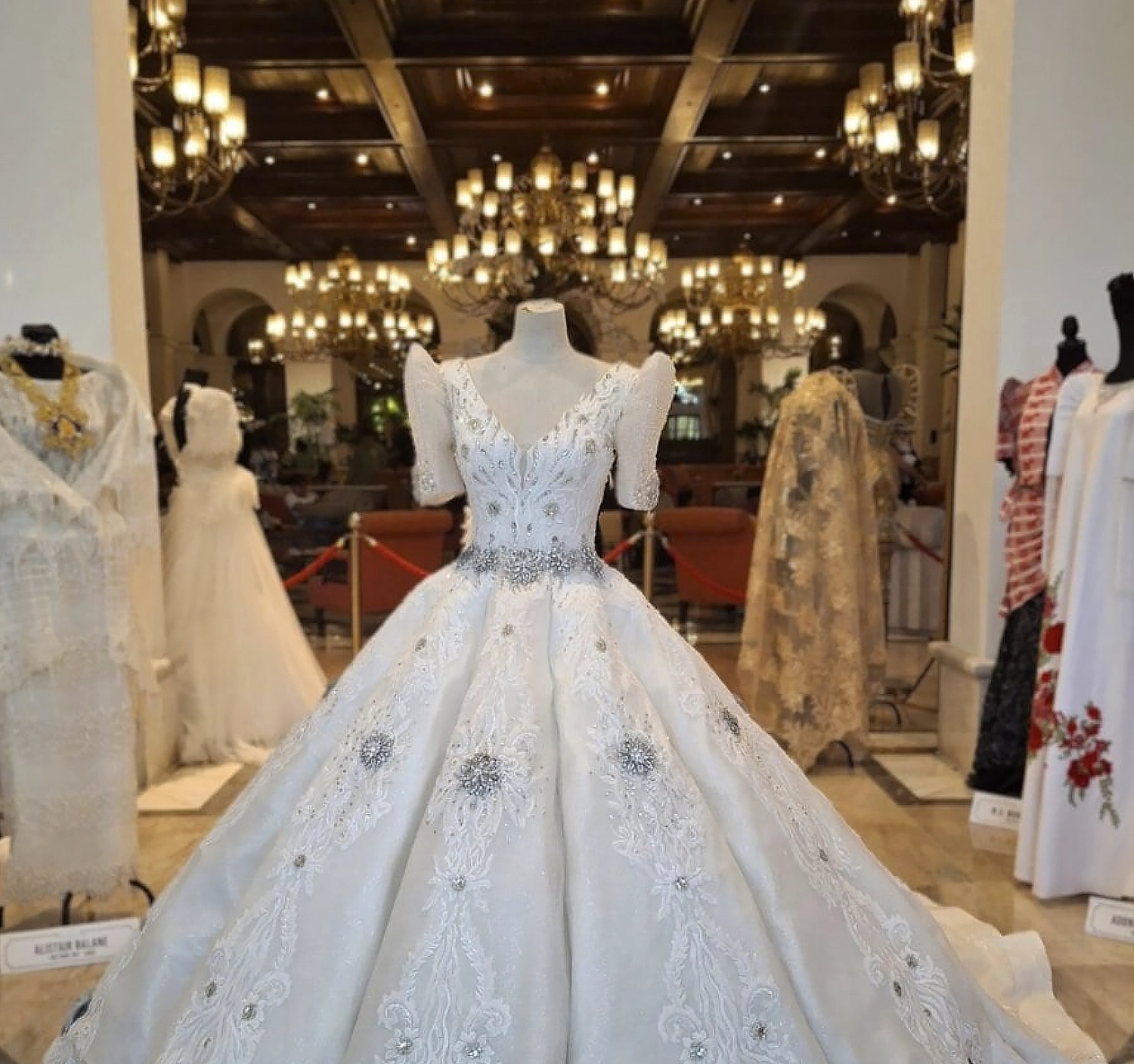
The Filipina “Maria Clara” became the signature style of Pitoy Moreno. His culturally-rich fashion design creations, introduction of the use of Filipino textiles such as piña and jusi, and his works being collected by royalties and dignitaries worldwide put the Philippine fashion on the map.
Pitoy Moreno may have been stripped from the National Artist title because of issues of process and the opinion that fashion is not an art form at par with the likes of painting, but we cannot deny the magnitude of his contributions to Philippine fashion.
Indeed, Pitoy Moreno lived his life as he described — “Everything I did, I did for my country.”
The Elderly Pitoy Moreno I Met
It has been twenty years since my interview with Pitoy Moreno. Looking back, the details of our conversation have faded from my memory. My notes, voice recordings, and copies of the article I produced from that encounter have long been lost. Papers weren’t preserved and computer files deleted. Yet a memory remained vivid — my impression of him when he told me that the most memorable experience in his career was that anecdote of him becoming emotional upon seeing a Japanese executive.
The Pitoy Moreno I met was not the glamorous fashion designer as the title “fashion designer” would suggest. The Pitoy I met was an elderly Filipino whose memories of war, resilience, and nation-building lived within him even after sixty years since the Japanese occupation.
Perhaps this experience shaped his worldview and creativity. Fashion design for him was not merely an aesthetic and self-expression. His fashion legacy is a testament to a generation of Filipinos he belonged in — a generation of Filipinos who endured suffering, survived, and proudly showed Filipino talent, spirit, and identity to the whole world.
Sources:
Bolido, L. (2018, Jan 18). Pitoy Moreno: From Tondo to the world. Lifestyle.Inq. https://lifestyle.inquirer.net/284558/pitoy-moreno-tondo-world
Glenn, Russell W. “Urban Disaster Wrought by Man: The Battle for Manila, 1945.” Journal of Strategic Security 16, no. 3 (2023) : 17-29. DOI: https://doi.org/10.5038/1944-0472.16.3.2103 Available at: https://digitalcommons.usf.edu/jss/vol16/iss3/3
Ostmann, Jamie. (2025, Oct 3). Margaret and Moreno: The fascinating story of global royal style, Filipino history and national identity. Historic Royal Palaces. https://www.hrp.org.uk/blog/princess-margaret-and-jose-pitoy-moreno/
Written by:
View Profile